
Choosing the Right Overcladding Build-Up for Refurbishment Projects
April 2, 2026
How Overcladding Supports Refurbishment of Live and Occupied Buildings
April 2, 2026Refurbishment Without Full Façade Replacement: A Contractor’s Guide to Overcladding
By: Jamie Delargy & Chris Fitzpatrick
Published: 2nd April 2026
Refurbishment projects are becoming increasingly complex. Ageing buildings, tighter building regulations and the challenge of working around live environments all place pressure on contractors to upgrade performance without introducing unnecessary risk.
Full façade replacement has traditionally been the default approach. However, for many refurbishment projects, it is no longer the most practical or efficient solution.
Overcladding offers an alternative – one that allows contractors to provide external Reaction to Fire and improve overall thermal performance while working with existing structures rather than removing them entirely. This guide outlines when overcladding is the right choice, what contractors should consider, and how to approach refurbishment without full façade replacement.
Understanding the existing building
Stripping back an existing façade can expose unknown construction details, structural inconsistencies and legacy materials. On refurbishment projects, these unknowns often lead to programme delays, additional costs and increased disruption – particularly on live or occupied sites.
Full replacement may also require temporary weather protection, extended access solutions and more invasive works, all of which increase complexity for contractors.
In contrast, overcladding limits the extent of invasive work, helping reduce exposure to unforeseen issues and maintain greater control over the refurbishment programme.
When full façade replacement creates unnecessary delays
Stripping back an existing façade can expose unknown construction details, structural inconsistencies and legacy materials. On refurbishment projects, these unknowns often lead to programme delays, additional costs and increased disruption – particularly on live or occupied sites.
When overcladding is the smarter refurbishment option
Overcladding is particularly well suited to refurbishment projects where:
- The existing façade is deteriorating but remains structurally sound
- Buildings need to remain operational during works
- Programme delivery is critical
- Performance upgrades are required without major strip-back
By installing a new system over the existing façade, contractors can deliver meaningful upgrades while avoiding many of the problems associated with full replacement.
Understanding the existing building
A successful overcladding project starts with understanding what’s already in place. Existing façades can vary significantly, from twin-skin and single-skin constructions to ageing composite or legacy systems.
Assessing the existing structure early allows contractors to determine:
- Suitable of the existing structure to cope with the overcladding loads
- The correct fixing strategies to the existing structure
- Tolerance and alignment considerations
- Potential constraints around access and sequencing
Overcladding systems designed specifically for refurbishment help contractors adapt to these variables rather than forcing a one-size-fits-all approach.
Choosing the right overcladding build-up
Selecting the correct build-up is critical to refurbishment success. Contractors should consider the following options and build-ups:
Over twin skin build-ups for upgrading existing industrial or commercial façades without removal
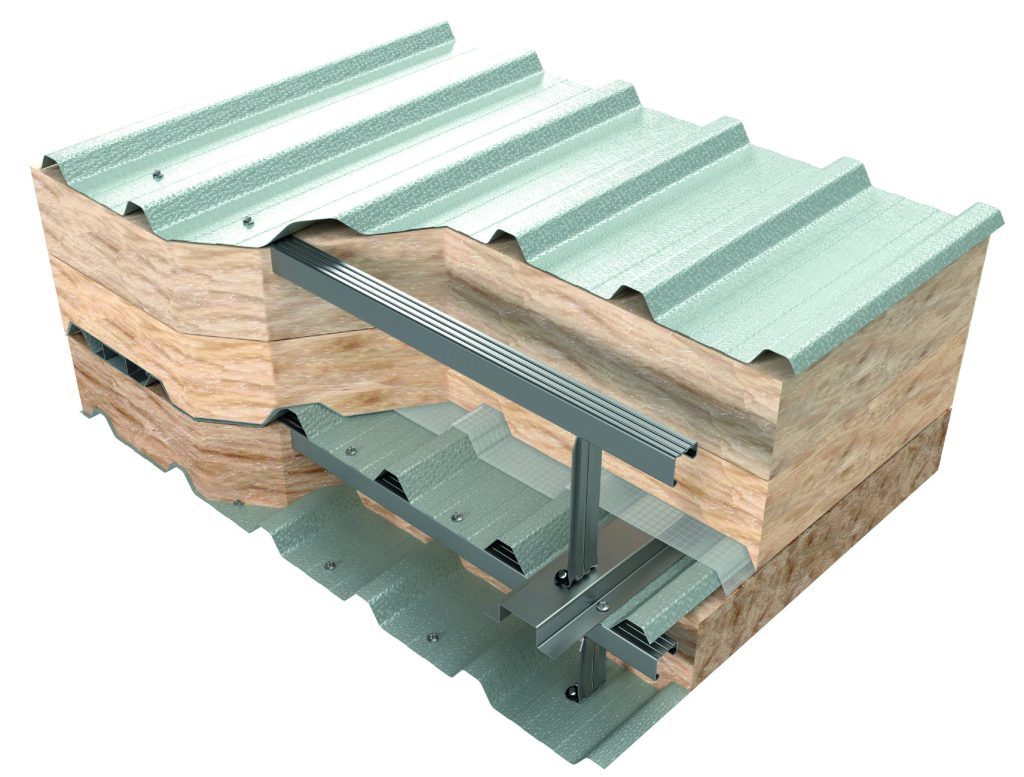
Over single skin solutions for improving insulation and weather performance on light industrial buildings
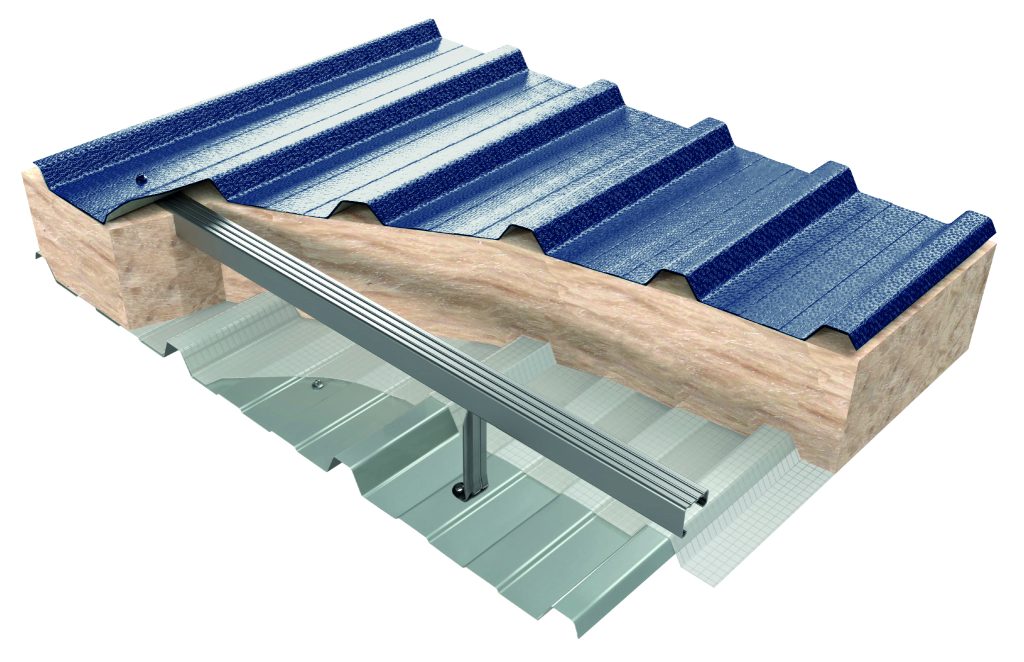
Fibre cement build-ups where durability, improved weathertightness are priorities
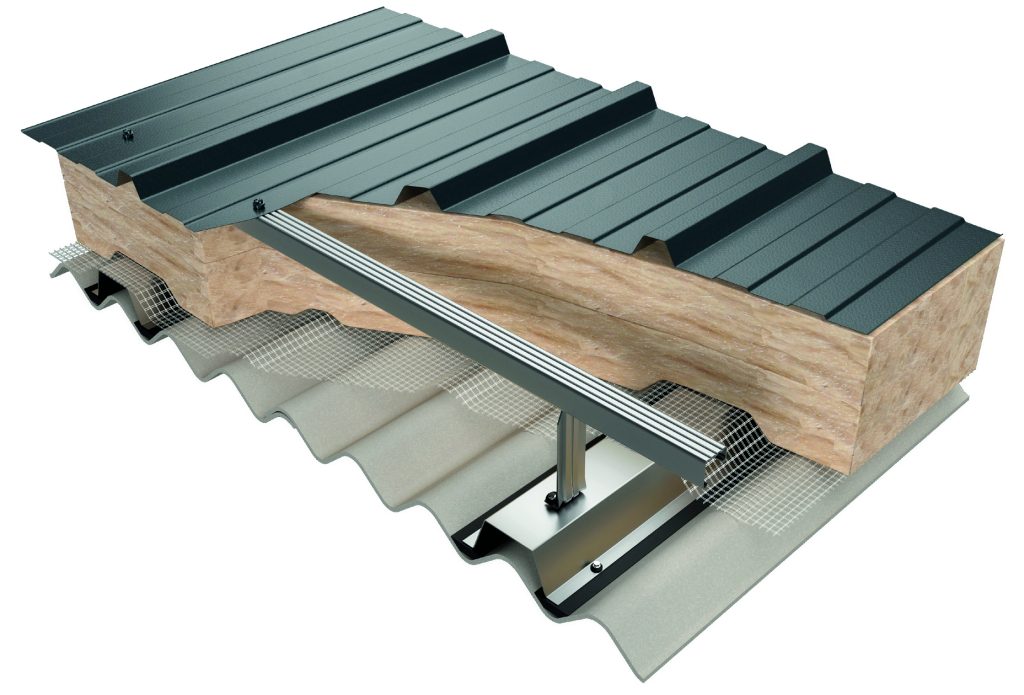
Composite build-ups where increasing thermal performance and aesthetics are required
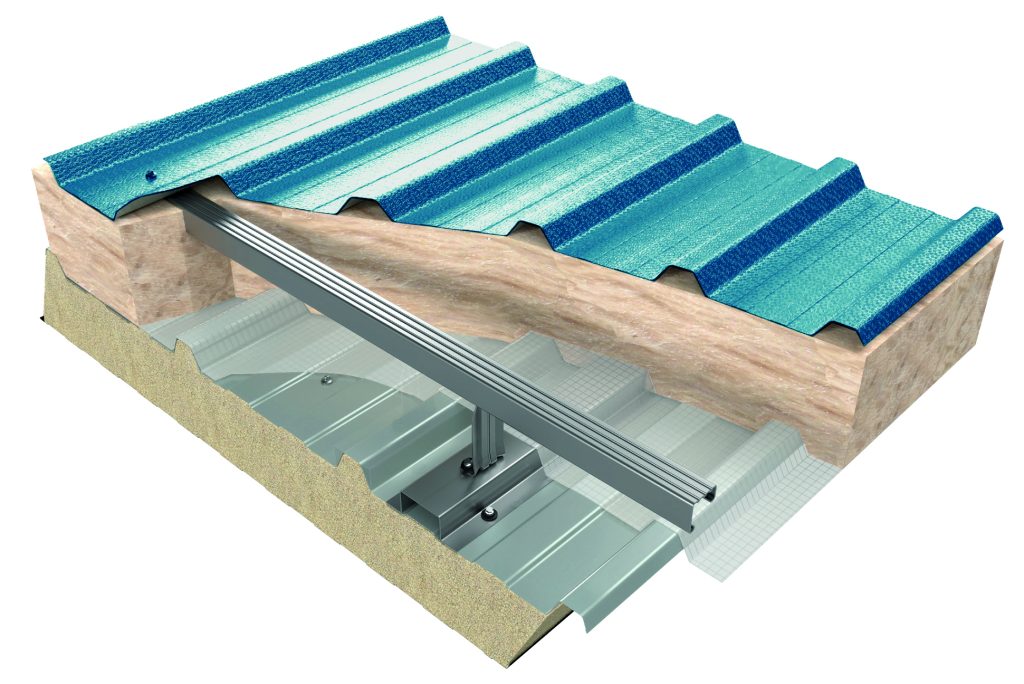
The right build-up balances performance requirements with practical installation considerations on site.
Moisture control in refurbishment
When new systems interface with existing fabric, moisture control must be addressed at system level.
Overcladding solutions must consider Vapour Control Layer (VCL) design as part of a coordinated system help contractors reduce the risk of condensation-related issues post-completion.
This system-led approach supports less disruptive refurbishment and clearer detailing during installation.
Programme, access and disruption
One of the biggest advantages of overcladding is its impact on programme and site management.
By reducing strip-back works, overcladding helps:
- Minimise noise, dust and waste
- Simplify access requirements
- Maintain building operation where required
- Support phased refurbishment strategies
For contractors working on live sites, this can be the difference between a controlled refurbishment and a high-risk project.
Support and responsibility
Refurbishment projects benefit from clarity around responsibility and support. Overcladding systems supplied as coordinated solutions – rather than individual components – help reduce interface risk and simplify accountability.
Single-source systems, supported by a system warranty, provide contractors with additional reassurance, particularly on complex refurbishment projects where multiple trades and interfaces are involved.
A practical approach to modern refurbishment
Overcladding is not a shortcut – it is a considered strategy for upgrading existing buildings efficiently and responsibly.
For contractors, refurbishment without full façade replacement offers:
- Reduced risk
- Greater programme certainty
- Improved buildability
- Meaningful performance upgrades
With the right system, support and planning, overcladding enables smarter refurbishment – built around the realities of existing buildings.