Refurbishment Without Full Façade Replacement: A Contractor’s Guide to Overcladding
April 2, 2026How Overcladding Supports Refurbishment of Live and Occupied Buildings

By: Jamie Delargy & Chris Fitzpatrick
Published: 8th April 2026
Refurbishment projects don’t always come with the luxury of empty buildings. For contractors, upgrading performance while buildings remain operational is increasingly common – and often unavoidable.
Live and occupied environments introduce additional pressures, from access constraints, site disruption considerations including noise, dust and waste and programme deliverability. In these situations, the way a refurbishment is delivered can be just as important as the performance improvements being achieved.
Overcladding has become a key strategy for contractors working in these conditions.
Why live refurbishment changes the approach
Traditional façade replacement often requires extensive strip-back works, temporary protection and prolonged disruption. On occupied sites, this can lead to delays, increased costs and dissatisfied occupants.
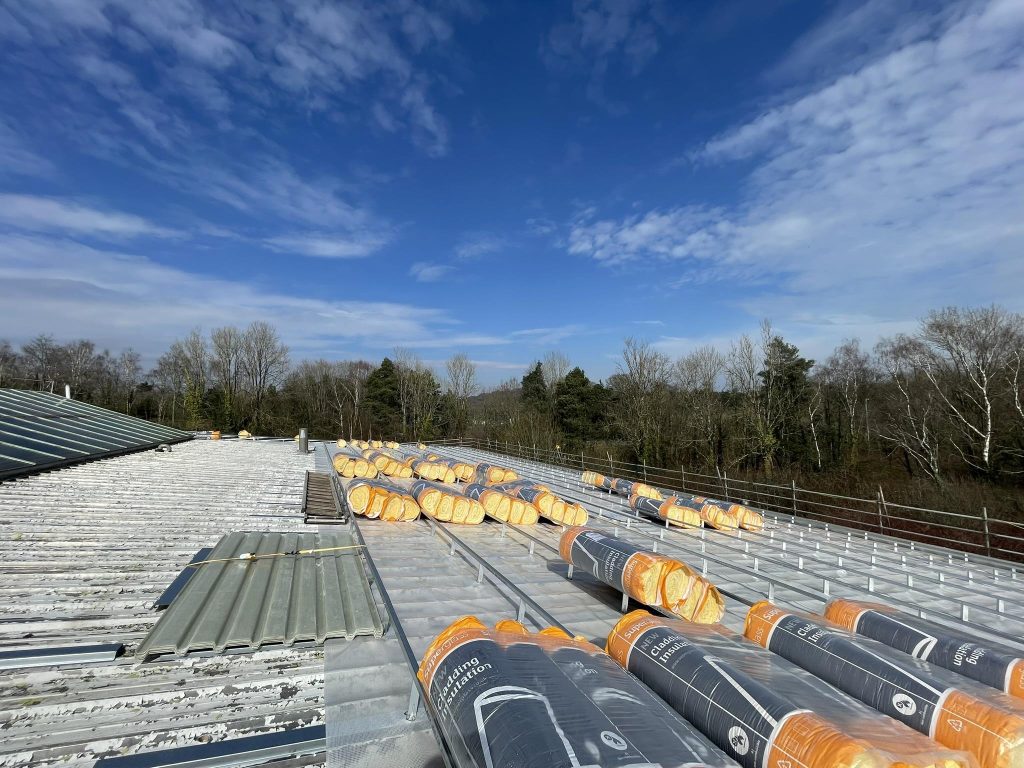
Overcladding allows contractors to work with the existing façade rather than removing it entirely. By installing a new system over the original structure, performance upgrades can be delivered with significantly less disruption.
This approach helps reduce noise, dust and landfill waste while allowing buildings to remain operational throughout the refurbishment programme.
Programme delivery and site control
For contractors, one of the biggest challenges on live refurbishment projects is loss of programme control. Unplanned shutdowns, access restrictions or unexpected strip-back issues can quickly impact delivery.
Overcladding systems designed specifically for refurbishment help mitigate these problems by simplifying installation sequencing and reducing the number of unknowns uncovered on site.
By limiting the extent of invasive works, contractors can plan more confidently and maintain progress even in complex, occupied environments.
Performance upgrades without full replacement
Live refurbishment projects still need to deliver meaningful improvements in external fire and overall thermal performance. Overcladding enables these upgrades without the disruption associated with full façade replacement.
System-led overcladding solutions consider improved thermal & acoustic performance, and moisture control of the existing cladding as part of a coordinated design – helping ensure that performance improvements are delivered consistently across the building envelope.
Smarter refurbishment for real buildings
As more refurbishment projects are delivered in live environments, overcladding continues to play a vital role in helping contractors balance performance, site disruption and programme control.
With the right system and support, live refurbishment doesn’t have to mean compromise – it can mean smarter delivery.